
The success of TARASSIS was underpinned by truly joint planning approach to logistics and engineering.
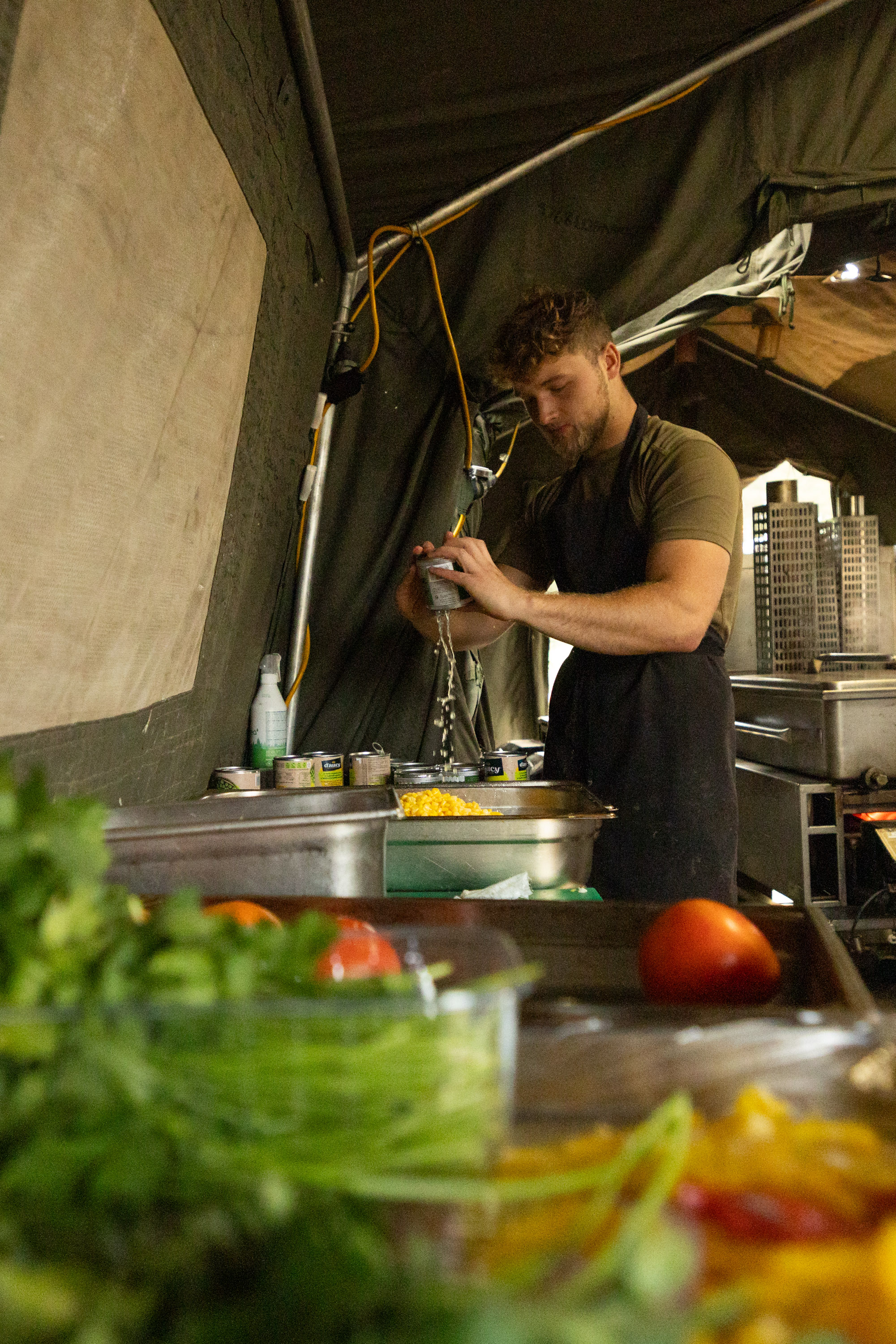
Over 10 weeks from September to November, UK military logisticians and engineers from 8 Engineer and 104 Logistics Brigades, supported by planners from the Joint Expeditionary Force (JEF) HQ near London, sustained 650 personnel and 365 vehicles across a demanding Latvian theatre, stretching 1,600 km from home base.

TARASSIS delivered several “firsts,” including the largest UK deployment to Latvia in history, the use of Lielvarde Airport by RAF Voyager, pioneering drone use, and for the first time deployed land elements operated under JEF HQ Operational Control.
From the initial arrival of the UK Strategic RoRo ferry Hurst Point from Southampton to Ventspils, TARASSIS encompassed 38 tasks across Latvia that are critical for the rapid arrival and sustainment of reinforcements, ranging from infrastructure upgrades to enabling potential future entry points.
Engineers poured 28 m³ of concrete, moved 25,800 tonnes of aggregate, and invested €861,787 in engineering works. Fuel consumption hit 107,000 litres, powering mobility and sustainment across multiple sites and a challenging terrain.

The main objective of the deployment was to demonstrate a rapid response capability by JEF nations in the face of a crisis. It also rehearsed a number of interoperabilities, including the first use of Latvian military transport to deliver British Army equipment and a demonstration of British military police as escorts in a host nation.
Interoperability was central across the logistic effort: Latvia, Denmark, Canada, and Estonia, alongside visiting elements from the US and France, worked seamlessly during this validation of the British Army’s Theatre Entry Group, and the first iteration of HQ 8 Brigade in an ARRC (NATO) context.

Elsewhere in TARASSIS, Norway provided host nation support to the UK Commando Force as it demonstrated its ability to project power. 200 Royal Marines with their weapons and kit (including 900 ‘Lanes in Metres’ of vehicles brought from the UK by RoRo) were deployed and sustained in Northern Norway from RFA LYME BAY.
TARASSIS was about more than numbers — it was about multinational cooperation, carefully synchronised multi-domain effects, building tactical understanding of the environment and demonstrating interoperability. TARASSIS showed that effective logistics doesn’t just support operations — it underpins them.